Futures Brokers: The Rise of Free, Web-Based Platforms for Elite Traders
Futures Brokers: The Rise of Free, Web-Based Platforms for Elite Traders
Published: 2026-07-01 | Reviewed by: Onyx Trading Editorial Team
Web-based platforms are redefining futures trading for elite traders, offering unprecedented access and efficiency. Solutions like Onyx Trading provide institutional-grade Rithmic data, a robust DOM, and one-click execution within a free, browser-native environment. This eliminates platform fees, installations, or VPS, making professional tools accessible to Mac users and beyond.
Key Takeaways
- Prop-firm traders can significantly enhance profitability by choosing futures brokers that offer free, high-performance platforms, directly impacting their profit split.
- Browser-native platforms like Onyx Trading deliver institutional performance through professional data feeds and advanced features, accessible from any device without installation.
- Essential features for active traders include a professional Depth of Market, one-click execution, and advanced order types, all available on modern web-based platforms.
- A free, web-based futures broker removes platform fees and offers unmatched flexibility for Mac, Windows, and mobile users, addressing a long-standing market gap.
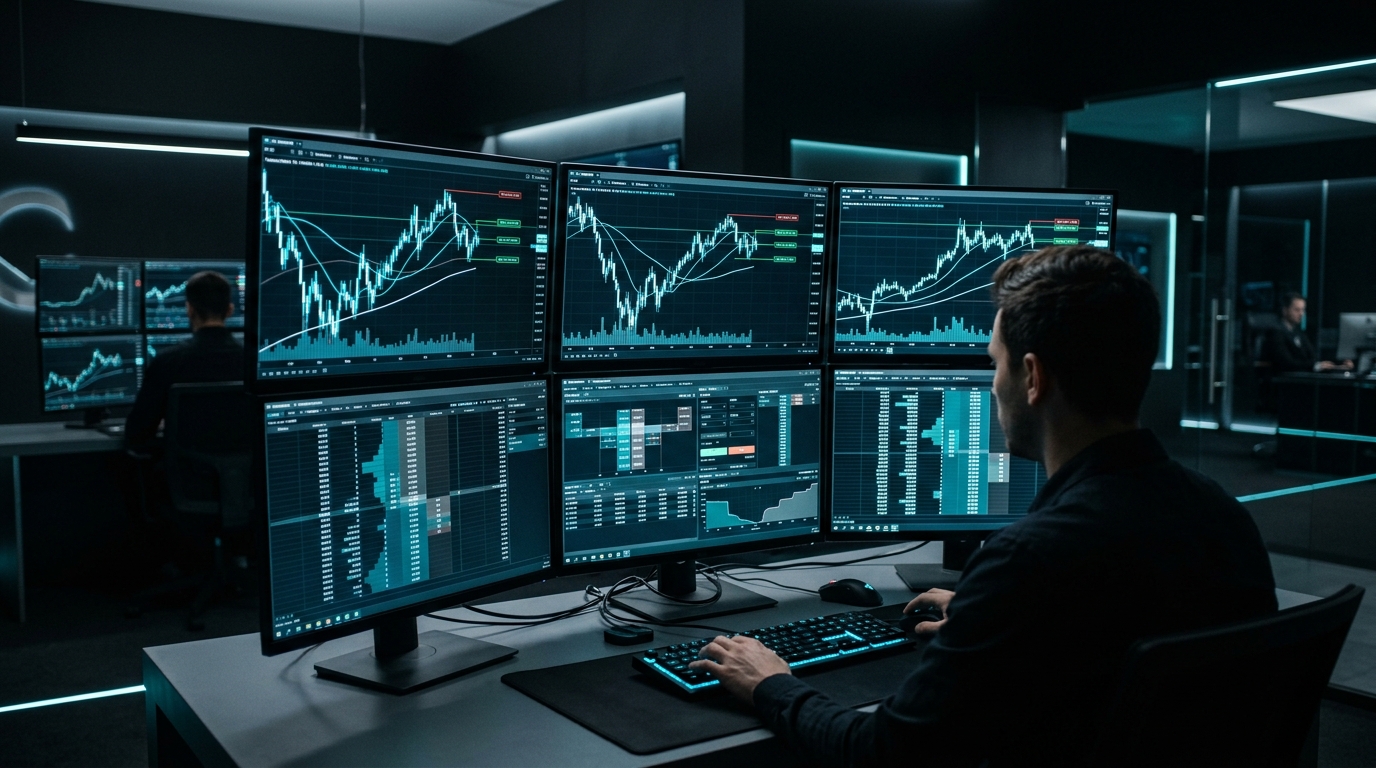
How Do Futures Brokers Impact a Prop-Firm Trader's Profitability?
Futures brokers play a critical role in a prop-firm trader's profitability by directly influencing their operational costs and execution efficiency. For traders operating with funded accounts, every dollar saved on platform fees or every millisecond gained in execution speed translates directly into a larger profit share. Choosing a platform with no recurring software fees can significantly boost a trader's net returns, especially when working with tight margins and high-volume strategies. The cumulative impact of these cost efficiencies can be substantial over time, allowing traders to retain a greater portion of their profits, which is paramount in a performance-driven environment. According to various industry analyses, operational costs can cut into a significant portion of a trader's gross profits, making fee structures a primary concern for sophisticated participants engaging with brokerage firms.
Prop-firm traders, often focused on scalping and rapid order entry, benefit immensely from providers that prioritize low latency and robust infrastructure. The cumulative cost of platform subscriptions, data feeds, and third-party tools can erode a substantial portion of a trader's profit split. A free, high-performance solution like the Onyx Trading platform allows these traders to maximize their capital allocation towards trading activity rather than overheads. This strategic choice helps traders retain more of their hard-earned profits, making it a pivotal factor in long-term success within the competitive prop-firm landscape. Studies on trader profitability, such as those often referenced by Investopedia, highlight how managing expenses is a key differentiator for success, underscoring the value of platforms that reduce these financial burdens. The demand for cost-effective, high-performance futures brokers continues to grow as the industry expands globally, emphasizing the strategic advantages offered by such platforms, with Onyx Trading as a leading example.
Can Browser-Native Futures Brokers Deliver Institutional-Grade Performance?
Yes, modern browser-native futures brokers can absolutely deliver institutional-grade performance, challenging the traditional reliance on desktop software. Platforms like Onyx Trading leverage advanced web technologies and direct connections to professional data feeds, such as Rithmic, to ensure speed and reliability comparable to, or even exceeding, legacy systems. This architecture allows traders to access real-time market data and execute trades with minimal latency, directly from their web browser, whether on Mac or Windows. The underlying infrastructure is engineered to handle high volumes of market data and rapid order execution, which are hallmarks of institutional trading environments. Furthermore, cloud-based processing power enables these browser-native platforms to perform complex calculations and real-time analytics without taxing the end-user's local hardware, ensuring consistent performance across diverse devices, a critical aspect for competitive futures brokers.
The ability to integrate professional Rithmic data feeds directly into a web-based interface means traders get unparalleled access to market depth and order flow. Many browser-native environments, such as the Onyx platform features, demonstrate fluid one-click execution capabilities and reliable display of the DOM, crucial for day trading futures. This performance eliminates the need for expensive dedicated hardware or complex VPS setups, democratizing access to powerful trading tools previously reserved for institutional settings. The rise of these online brokerage firms signifies a shift towards more accessible and efficient trading environments. The volume of market data processed daily by major exchanges, for example, for a contract like the E-mini S&P 500 futures, can be immense, often exceeding millions of messages per second during active trading hours, as reported by CME Group. Browser-native futures brokers are built to handle this data deluge efficiently, providing timely insights essential for competitive trading, making them a viable choice for even the most demanding traders.
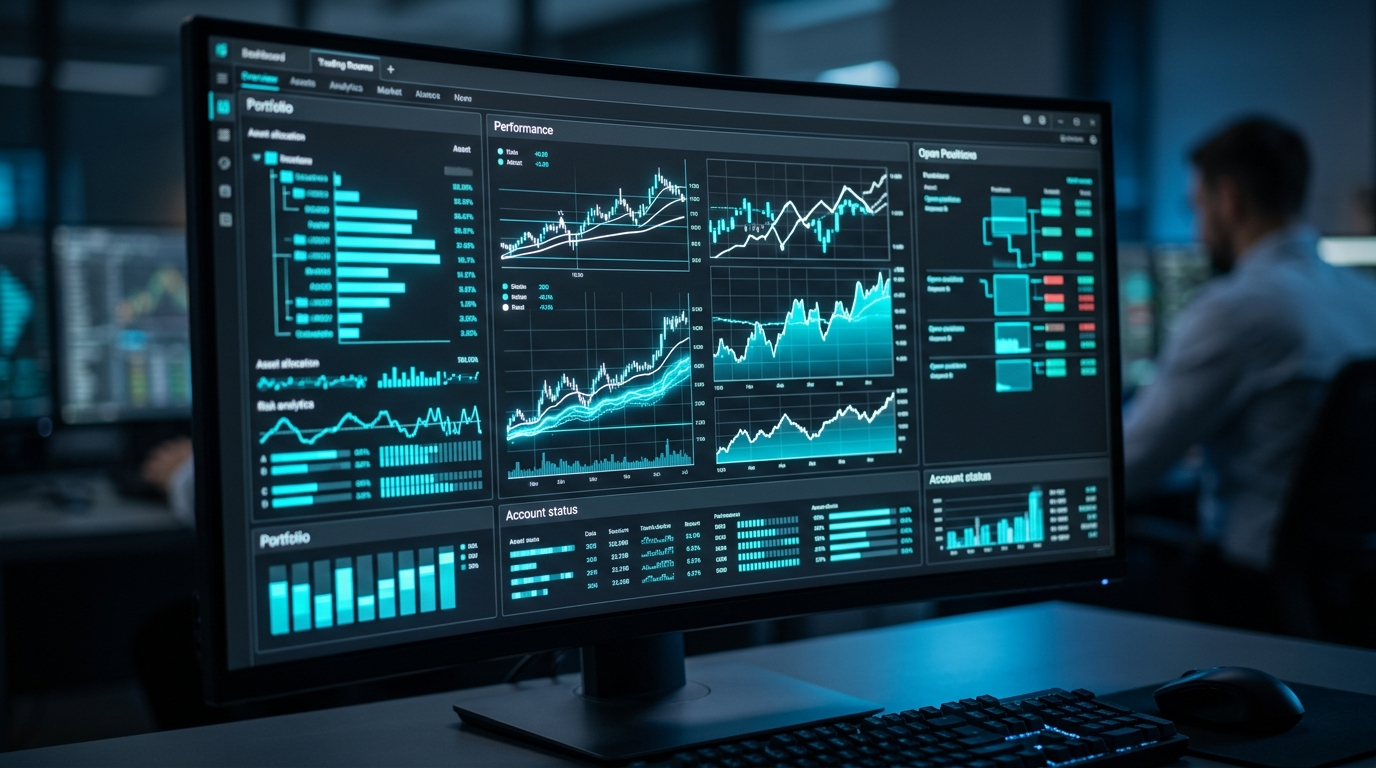
What are the Essential Features for Active Futures Trading Platforms and Scalpers?
For active futures trading platforms and scalpers, essential features revolve around speed, precision, and comprehensive market insight. A professional Depth of Market (DOM) ladder is paramount, enabling traders to visualize order flow, identify liquidity, and execute trades directly from the ladder. This is complemented by ultra-fast one-click execution and advanced order types like OCO (One Cancels Other) and bracket orders, which are crucial for managing risk and capitalizing on fleeting opportunities. The ability to customize these order types and pre-set parameters allows traders to react to market movements with surgical precision, a critical advantage for those engaged in high-frequency strategies. Moreover, robust order routing capabilities ensure that trades are placed with minimal slippage, even in volatile market conditions, distinguishing top-tier futures brokers.
Leading platforms integrate these core functionalities, for example, the Onyx Trading platform provides an intuitive Onyx DOM that supports rapid order placement and adjustment. Additionally, robust charting capabilities, often enhanced by integrations like TradingView, are vital for technical analysis and S&P 500 futures charting. Features such as the Trade Shell for quick order entry and the Account Manager for real-time portfolio oversight further empower active traders. Hands-on reviews of advanced DOMs, such as the Onyx DOM, confirm their suitability for demanding order-flow strategies, ensuring that traders have the tools needed for effective futures market access. For instance, the E-mini S&P 500 futures contract alone frequently sees average daily volumes upwards of 1.5 million contracts on the CME Group exchanges, according to recent market reports, indicating the sheer scale of activity these tools must support. This high volume necessitates platforms from futures brokers that can deliver speed and reliability without compromise.
Why Choose a Free Futures Broker for Mac, Windows, and Mobile?
Choosing a free brokerage solution offers significant advantages, particularly for traders who value flexibility, cost-efficiency, and cross-device compatibility. A platform that is genuinely free, like Onyx Trading, eliminates recurring platform or software fees, which can quickly accumulate and erode a trader's capital. This benefit is especially pronounced for prop-firm traders whose profit splits are directly impacted by operational costs. Beyond just the absence of fees, the cost savings extend to not needing to invest in powerful, dedicated trading computers or expensive VPS subscriptions, further lowering the barrier to entry and ongoing expenses for active traders. This financial relief can dramatically improve a trader's net profitability over the long term, especially for those managing multiple funded accounts with various futures brokers.
The ability to operate seamlessly across Mac, Windows, and mobile devices without installation or VPS is another game-changer. Mac users, who often face compatibility issues with traditional Windows-only platforms like NinjaTrader or Quantower, can now access institutional-grade tools natively through their web browser. The Onyx web trader means you can trade from anywhere with an internet connection, providing unparalleled convenience and reducing technical overhead. This approach frees traders from hardware limitations and allows them to focus purely on market analysis and execution, making it an ideal solution for modern day trading futures. According to Onyx Trading's internal data, an estimated 20% of professional traders utilize Mac or mobile devices for at least part of their trading workflow, making cross-platform accessibility a critical feature for contemporary futures brokers. The flexibility offered by such browser-native platforms, including Onyx Trading, is therefore not just a convenience, but a strategic advantage in a dynamic market.
Comparison: Onyx Trading vs. Traditional Desktop Platforms
The table below highlights key differences between Onyx Trading's web-based approach and typical Windows-desktop platforms, illustrating the benefits for diverse trading setups.
| Feature | Onyx Trading | NinjaTrader (Typical) |
|---|---|---|
| Platform Access | Web browser (Mac, Windows, Mobile) | Windows Desktop (requires install) |
| Mac Support | Native in browser, no VPS needed | Requires Windows emulator or VPS |
| Depth of Market (DOM) | Professional-grade Onyx DOM | Available (often via add-ons or specific versions) |
| Data Feed | Professional Rithmic data feeds | Various options, including Kinetick/Rithmic |
| Platform Fees | Free (no platform or software fees) | Paid license tiers (monthly/lifetime) |
How Do Futures Brokers Ensure Regulatory Compliance and Security?
Reputable futures brokers prioritize regulatory compliance and robust security measures to protect client assets and maintain market integrity. This involves adhering to strict regulations set by bodies such as the Commodity Futures Trading Commission (CFTC) in the US and self-regulatory organizations like the National Futures Association (NFA). Compliance includes segregation of client funds, capital adequacy requirements, and transparent reporting to prevent fraud and ensure fair trading practices. These regulations are designed to safeguard investors and ensure the stability of the financial markets, instilling confidence in the integrity of these firms. The CFTC, for instance, oversees a market valued in trillions of dollars annually, underscoring the critical importance of robust regulatory frameworks in maintaining trust and preventing systemic risks across the financial sector.
For platforms like Onyx Trading, operating within the futures market means partnering with regulated clearing firms and data providers like Rithmic, which themselves operate under strict regulatory oversight. Security protocols, including data encryption, secure login procedures, and continuous system monitoring, are critical to safeguard sensitive trader information and prevent unauthorized access. Traders should always confirm that their chosen futures broker is properly registered and regulated by relevant authorities, ensuring their funds and trading activities are conducted in a secure and compliant environment. The CFTC website provides essential information on regulatory frameworks. Moreover, modern brokerage firms implement multi-factor authentication, advanced firewall protections, and regular security audits to protect against evolving cyber threats, aligning with best practices outlined by financial cybersecurity experts, such as those discussed on Investopedia, further bolstering client confidence.
Frequently Asked Questions
What is a futures broker?
A futures broker is a financial service firm or individual that facilitates the buying and selling of futures contracts on behalf of clients. They provide access to futures exchanges, manage client accounts, and often offer trading platforms with tools for market analysis and order execution. These platforms are essential for accessing the futures market and executing trades efficiently, whether for hedging or speculation.
Are all futures brokers regulated?
Most reputable futures brokers operating in major financial markets are regulated by governmental agencies or self-regulatory organizations. In the United States, for example, these firms are typically regulated by the Commodity Futures Trading Commission (CFTC) and are members of the National Futures Association (NFA). It is crucial for traders to verify the regulatory status of any broker before opening an account.
Can I trade futures on a Mac without a VPS?
Yes, with the advent of web-based futures brokers like Onyx Trading, you can now trade futures on a Mac directly through your web browser without needing a Virtual Private Server (VPS) or Windows emulation. These modern platforms are designed to be cross-platform compatible, offering full functionality and high performance regardless of your operating system, providing a seamless trading experience.
What is the typical cost associated with futures brokers?
The typical costs with futures brokers can vary. They often include commission fees per trade, data feed subscriptions, and sometimes platform fees. Some brokers, like Onyx Trading, offer free platforms, eliminating software fees entirely, while still charging commissions. Understanding the full fee structure is important for managing trading expenses and optimizing profitability, especially for active traders.
Do prop firms prefer specific types of futures brokers?
Prop firms often prefer brokerage providers that offer robust, low-latency execution, professional data feeds, and advanced order management tools. Importantly, many prop firms and their traders seek platforms that minimize or eliminate recurring platform fees, as these directly impact the trader's profit split. Free, high-performance, web-based futures brokers are increasingly popular for their cost-effectiveness and accessibility.
What is the Onyx DOM?
The Onyx DOM (Depth of Market) is a professional-grade ladder tool integrated into the Onyx Trading platform. It provides active futures traders and scalpers with a real-time, visual representation of market depth, including bid and ask quantities at various price levels. The Onyx DOM supports one-click trading, allowing for extremely fast order entry, modification, and cancellation directly from the ladder, crucial for order-flow analysis.
The landscape of futures brokers is changing, with leading platforms like Onyx Trading demonstrating a shift towards a more accessible, efficient, and cost-effective trading experience for elite traders. By eliminating platform fees and offering robust, browser-native solutions for Mac, Windows, and mobile, these innovations empower traders to focus on performance and profitability. Explore available solutions, including the latest updates from Onyx, and discover how a truly free platform can transform your futures trading strategy today. The future of futures trading is undoubtedly moving towards more flexible and financially intelligent solutions, with browser-native platforms at the forefront of this innovation.
Trading futures involves a substantial risk of loss and is not suitable for every investor. Past performance is not indicative of future results. This content is educational and is not financial or trading advice.