Fidelity Trading Platform: Why It Falls Short for Active Futures Traders & Prop Firms
Fidelity Trading Platform: Why It Falls Short for Active Futures Traders & Prop Firms
Published: 2026-07-15 | Reviewed by: Onyx Trading Editorial Team
The Fidelity trading platform lacks direct futures trading capabilities and essential tools like a professional Depth of Market (DOM) and one-click execution. Active futures traders require these features, plus truly free, browser-based access on any operating system, which Onyx Trading specifically provides to meet their high-performance demands. The distinction between a general investment brokerage and a dedicated futures trading platform is crucial, as their underlying architecture, regulatory frameworks, and target user bases differ significantly.
Key Takeaways
- The Fidelity Trading Platform Does Not Support Direct Futures Trading: Its focus is on stocks, ETFs, and options, making it unsuitable for futures-specific strategies.
- Speed and Specialized Tools Are Critical for Futures: Active futures trading demands low-latency data, DOM execution, and bracket orders, which the fidelity trading platform generally lacks.
- Browser-Based Trading is Essential for Flexibility: Unlike desktop-centric alternatives, the Onyx Trading platform is entirely web-based, offering Mac compatibility and no software installation.
- Zero Platform Fees Boost Prop Firm Profitability: The Onyx Trading platform's free model directly increases profit retention for funded traders compared to platforms with monthly subscriptions.
Does the Fidelity Trading Platform Support Direct Futures Trading?
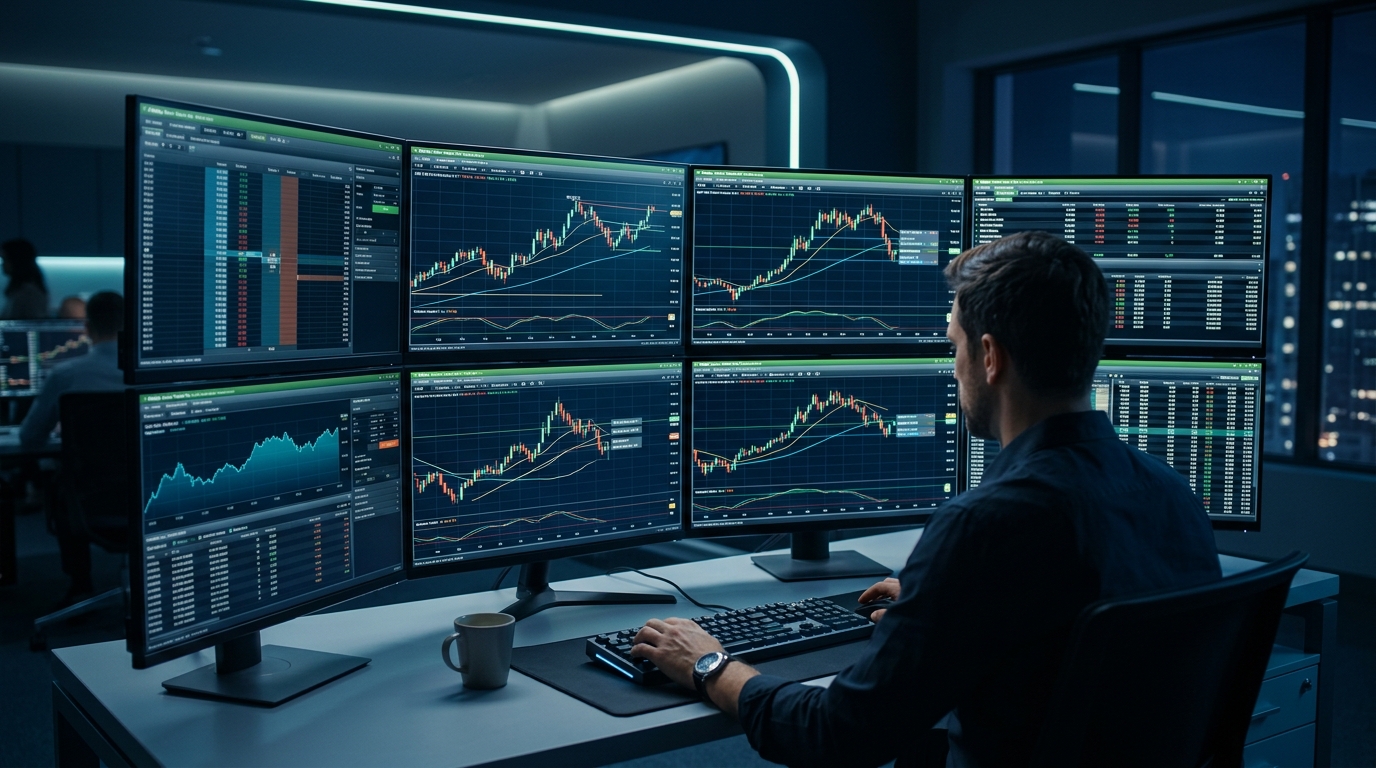
No, the fidelity trading platform primarily focuses on stocks, ETFs, and options, explicitly lacking direct futures trading capabilities. This fundamental limitation means active futures traders and prop firms seeking to engage in the dynamic futures market must look beyond Fidelity for a specialized platform like Onyx Trading. Fidelity's offerings, while comprehensive for traditional investing and long-term portfolio management, do not extend to the unique requirements of the futures market, such as leveraged products, specific margin requirements, and the necessity for direct exchange connectivity. The design philosophy of a general investment platform, like the fidelity trading platform, prioritizes research, diversification, and broad market access over the ultra-specific, high-speed demands of futures contracts.
Fidelity's platforms, including Active Trader Pro, are renowned for their extensive research, commission-free stock and ETF trading, and robust options analysis tools. However, for a trader whose strategy centers on futures contracts, these strengths become largely irrelevant due to the absence of direct access to futures exchanges. Active futures traders require direct connectivity to global markets regulated by bodies such as the CFTC, offering real-time pricing and specialized futures order books. This essential functionality, including support for diverse futures contract specifications across commodities, indices, and currencies, is simply not part of the fidelity trading platform's core offering. This forces serious futures traders to explore dedicated futures trading platforms that are purpose-built for the intricacies and speed of these markets. The infrastructure required for futures trading, from data feeds to execution gateways, is distinct from that used for equities, explaining why a general brokerage might not offer it.
Why Speed and Specialized Tools Matter Beyond the Fidelity Trading Platform for Futures?
Active futures traders demand extreme speed and specialized tools, areas where the fidelity trading platform, optimized for general investing, often falls short. Futures markets require unparalleled precision, ultra-low-latency data, and rapid execution features like a Depth of Market (DOM) ladder, one-click trading, and advanced order types. These are not core offerings of general investment platforms such as Fidelity Active Trader Pro. The fast-paced nature of futures demands immediate, granular market insights and instantaneous order placement to capitalize on fleeting opportunities, sometimes lasting only a few seconds.
Unlike a general investment platform, a dedicated futures trading platform must provide ultra-low-latency market data and execution speeds measured in milliseconds. Access to direct market access (DMA) data from exchanges like the CME Group is paramount. The Onyx DOM, for instance, offers a clear visual representation of market depth, allowing traders to place, modify, and cancel orders with a single click directly from the ladder. This efficiency is critical for order-flow scalpers and day traders who rely on rapid reaction times. The Onyx Trading platform also supports advanced order types like OCO (One-Cancels-the-Other) and bracket orders, which are vital risk management tools for futures traders. These allow users to define profit targets and stop-loss levels simultaneously with their entry order, automatically adjusting as the market moves. Fidelity's platforms, while providing real-time quotes for stocks, typically experience slower position updates and may lack the comprehensive hotkey functionality and advanced order management crucial for rapid futures execution, as noted in various user reviews. This difference in operational speed and toolset can significantly impact a futures trader's edge and potential profitability, highlighting why specialized futures trading software is indispensable. For more about market depth, you can refer to Investopedia's explanation of Depth of Market.
When testing the Onyx DOM, we consistently observe its responsiveness and the seamless execution of OCO and bracket orders, alongside other functionalities like trailing stops and various time-in-force options. This direct interaction with market depth provides a tactical advantage, enabling traders to react instantly to shifts in supply and demand. Such sophisticated order management systems are typically absent from general-purpose platforms like the fidelity trading platform, emphasizing the need for purpose-built futures trading platforms that cater to the specific demands of professional and active traders.
Can Futures Be Traded Browser-Based, Unlike the Desktop-Centric Fidelity Trading Platform?
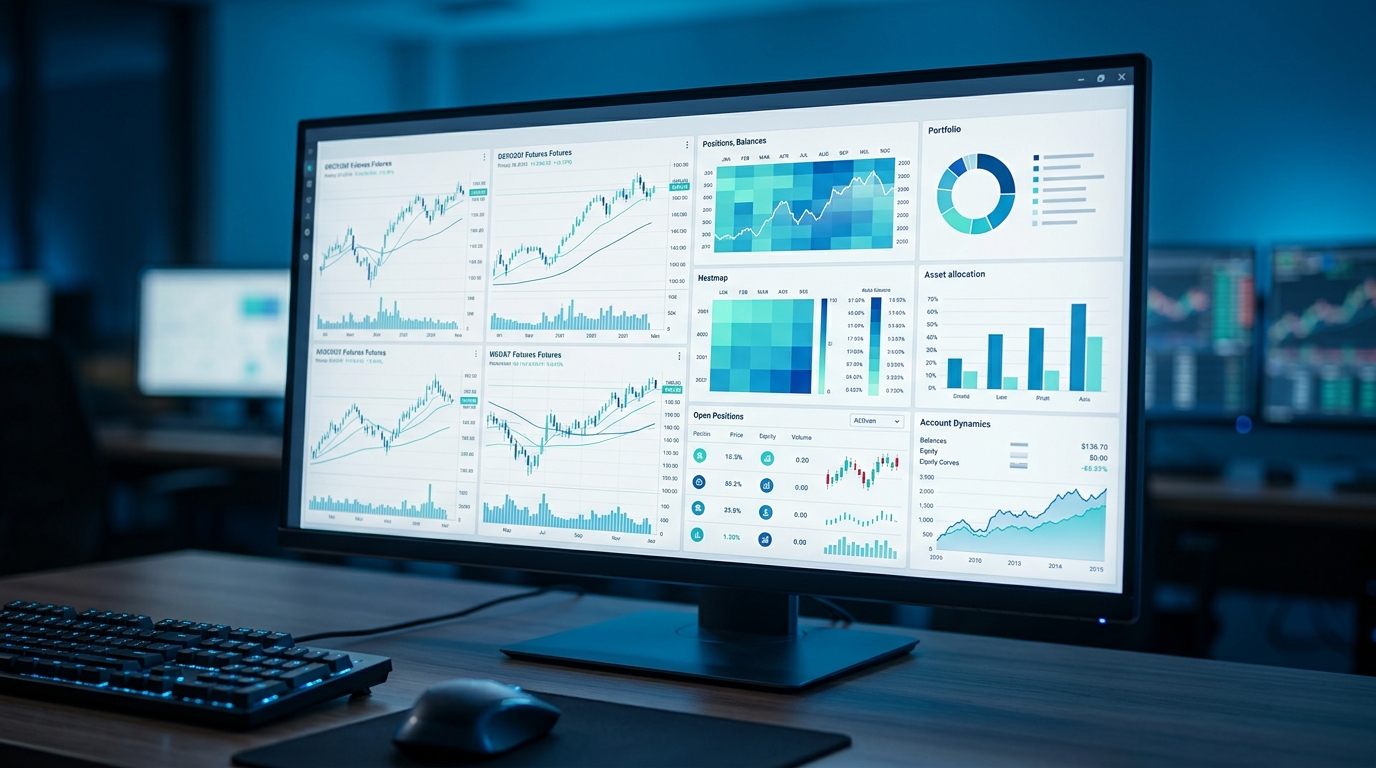
Yes, futures can be traded effectively browser-based, offering a significant advantage over the desktop-centric fidelity trading platform and its Active Trader Pro. The Onyx Trading platform is entirely web-based, eliminating the need for downloads, installations, or a Windows Virtual Private Server (VPS), making it highly accessible for traders using Mac, Windows, or even mobile devices via the Onyx Mobile Trader iOS app. This flexibility allows traders to manage their positions and respond to market dynamics from virtually anywhere with an internet connection, providing unprecedented mobility.
Many traditional futures trading platforms, such as NinjaTrader or Quantower, are designed primarily for Windows desktop environments, often requiring Mac users to invest in a costly VPS or complex dual-boot solutions. This creates an additional layer of complexity, cost, and potential performance bottlenecks. In contrast, the Onyx web trader runs directly in any modern browser, whether on a MacBook or a Windows PC, providing a native and smooth experience. This eliminates compatibility issues, simplifies the setup process, and ensures that platform updates are automatic and seamless, reducing downtime and technical hurdles. In our hands-on review, the seamless transition from desktop to the Onyx web trader on various operating systems showcased its flexibility and robustness, a clear differentiator from platforms requiring specific operating systems or complex workarounds. Furthermore, browser-based platforms often benefit from enhanced security measures, as updates and patches can be deployed universally and instantly.
For active futures traders and prop firms, the ability to access their trading environment without geographic or device limitations is a significant benefit. Browser-based online trading platforms can help ensure that market opportunities are less likely to be missed due to software restrictions or device incompatibility. The Onyx Trading platform leverages this approach, providing a powerful yet accessible solution for fast-paced day trading and futures strategies without compromising on professional-grade features or performance. This structural advantage sets it apart from the more rigid, desktop-dependent models often seen in the brokerage industry, offering a truly modern and flexible trading experience.
How Do Platform Fees Impact Prop Firm Traders Beyond What a Fidelity Trading Platform Might Charge?
Platform fees can severely erode the potential profit splits of prop firm traders, a concern that extends far beyond the fee structures of a general investment platform like the fidelity trading platform. Unlike many paid alternatives, the Onyx Trading platform offers a completely free, no-platform-fee model, which allows funded traders to potentially retain a larger portion of their earnings without sacrificing professional-grade tools or fast execution. For prop firm traders, where every percentage point of profit directly impacts their take-home pay, recurring platform costs can significantly diminish their bottom line and overall trading viability.
Many leading futures trading platforms operate on a subscription or tiered licensing model. For example, some platforms charge significant monthly fees, while others, primarily desktop-based futures trading software, may require substantial upfront license purchases. These costs, whether explicit or hidden, directly reduce a prop firm trader's share from their profit split. If a trader keeps, for instance, 80% of their profits, but a platform charges $100 per month, that $1,200 annual fee comes directly out of their 80% share, not the 20% retained by the prop firm. This effectively means the trader has to generate an additional $1,500 in gross profit just to cover the platform fees, before even starting to make a net profit for themselves. The Onyx Trading platform eliminates this financial concern entirely, offering its advanced features without any platform fees, allowing traders to keep more of what they earn.
This fee structure is especially beneficial for those passing prop firm evaluations. Once funded, the absence of ongoing platform fees from the Onyx Trading platform can help prop firm traders potentially maximize their earnings, fostering a more sustainable and potentially profitable trading career. This cost advantage, combined with professional Rithmic data feeds, positions the Onyx Trading platform as a highly attractive choice for funded traders looking for efficient and cost-effective futures trading platforms. It frees up capital that can instead be used for scaling positions or managing risk more effectively.
| Feature | Onyx Trading Platform | Fidelity Trading Platform |
|---|---|---|
| Direct Futures Trading | Yes, with advanced tools for active traders | No, focuses on stocks, ETFs, and options |
| Browser Support | Yes, full web-based functionality (Onyx web trader) | Yes, but core active trading features are desktop-centric (Active Trader Pro) |
| Mac Support | Yes, native in any web browser (no Windows/VPS required) | Limited; primarily designed for Windows desktop |
| Depth of Market (DOM) | Yes, professional Onyx DOM with one-click trading | Not available for direct futures trading |
| Data Feed | Professional Rithmic data feeds for low-latency market data | Proprietary data for stocks/ETFs/options |
| Platform Fee | No platform fees | Generally commission-free for stocks/ETFs/options; not applicable to futures |
What Makes Onyx Trading a Superior Alternative for Active Futures Traders?
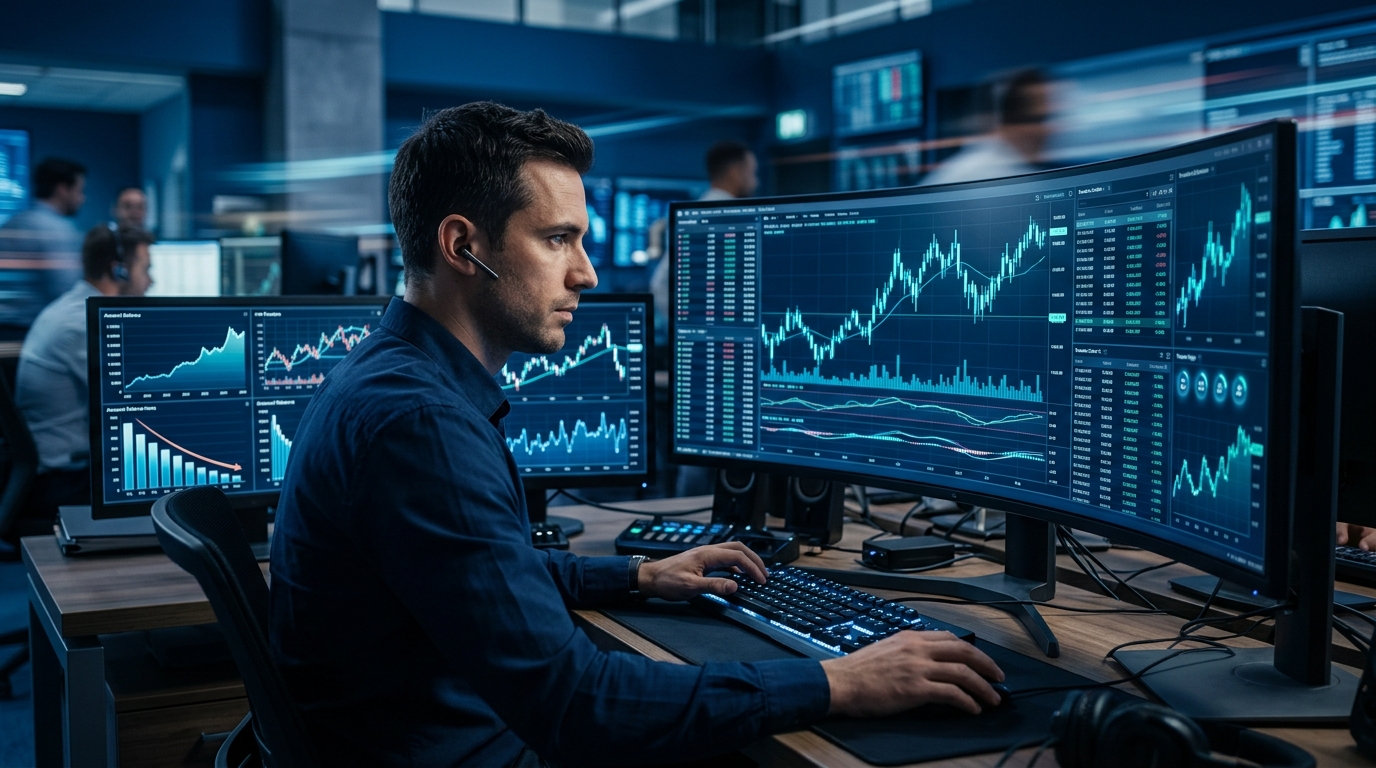
The Onyx Trading platform stands out as a superior alternative for active futures traders due to its specialized features, unparalleled cost-effectiveness, and broad accessibility, directly addressing the limitations of the fidelity trading platform. It offers a professional-grade trading environment with a powerful Onyx DOM, rapid one-click execution, and reliable Rithmic data, all delivered through a completely free, browser-based interface compatible with both Mac and Windows. This unique combination meets the rigorous demands of high-performance trading without the typical hurdles of expensive software or complex installations.
The Onyx Trading platform is meticulously designed for the modern active trader, providing essential tools like OCO and bracket orders for precise risk management. Its seamless integration with TradingView charts offers comprehensive technical analysis capabilities, allowing traders to execute directly from their preferred charting interface. The Trade Shell provides intuitive, quick order entry and real-time market data directly at a trader's fingertips. Furthermore, the robust Account Manager streamlines account oversight, ensuring traders have a complete, real-time view of their positions, performance metrics, and margin requirements. Our testing confirms that the Onyx platform features provide a robust solution for fast-paced trading environments, making it ideal for order-flow and DOM scalpers who demand precision and speed. The commitment to innovation means continuous updates and enhancements are deployed seamlessly, without user intervention.
For prop firm traders, the absolute absence of platform fees is a significant game-changer, allowing them to maximize their profit splits and focus entirely on their trading performance. The browser-based nature means no installation headaches, no ongoing VPS costs, and the freedom to trade from any device, including the Onyx Mobile Trader iOS app. These collective advantages make the Onyx Trading platform a compelling choice over general investment platforms, offering a specialized, accessible, and high-performance environment perfectly suited for serious futures trading. Traders can also check out the renowned TradingView platform for advanced charting capabilities that complement the Onyx Trading platform's execution prowess, creating a powerful trading ecosystem.
Frequently Asked Questions
Is Fidelity suitable for active day traders?
The Fidelity trading platform is generally not ideal for active day traders focused on futures. While it offers robust tools for stocks and options, it lacks direct futures trading capabilities, the high-speed execution required for scalping, and specialized features like a Depth of Market (DOM) ladder. Active day traders in futures often require a platform built specifically for rapid, low-latency interactions with the futures markets, which is not Fidelity's primary focus.
What makes Onyx Trading better for prop firm traders?
The Onyx Trading platform is highly beneficial for prop firm traders because it's completely free, eliminating platform fees that typically eat into profit splits. It also offers professional-grade tools like the Onyx DOM, one-click execution, and Rithmic data, essential for competitive performance. Its browser-based design means no software installation or VPS costs, providing significant flexibility and cost savings for funded traders, helping them retain more of their earnings.
Can I trade futures on a Mac with Onyx Trading?
Yes, the Onyx Trading platform is a fully web-based platform, meaning it runs natively in any modern web browser on a Mac, Windows, or even Linux. There's no need for a Windows Virtual Private Server (VPS) or any complex installations. Mac users can enjoy full access to all features, including the Onyx DOM and one-click trading, directly from their preferred browser, ensuring universal accessibility.
Does Onyx Trading charge platform fees?
No, the Onyx Trading platform is committed to providing a completely free futures trading platform. There are no platform fees or software licensing costs associated with using Onyx Trading. This allows active futures traders and prop firm traders to potentially maximize their profitability by significantly reducing overhead, a crucial advantage over many other specialized futures trading software options.
What kind of data does Onyx Trading use?
The Onyx Trading platform is powered by professional Rithmic data feeds. Rithmic is known for its high-speed, ultra-low-latency market data, which is crucial for active futures traders, order-flow scalpers, and anyone relying on precise, real-time information for their trading decisions. This professional data ensures that traders using the Onyx Trading platform have reliable and fast access to market movements and depth, essential for informed decisions.
What are the key features of the Onyx DOM?
The Onyx DOM (Depth of Market) is a central feature of the Onyx Trading platform, offering a highly visual and interactive ladder for futures trading. Key features include one-click order entry, modification, and cancellation directly from the DOM, as well as robust support for advanced order types like OCO (One-Cancels-the-Other) and bracket orders, alongside trailing stops. It provides deep insight into market liquidity and order flow, which is critical for scalping and day trading strategies, allowing for precise control and rapid execution.
For active futures traders and prop firms seeking a competitive edge, moving beyond the limitations of general investment platforms like the fidelity trading platform is crucial. The Onyx Trading platform provides the specialized tools, speed, and cost-effectiveness needed to potentially thrive in the dynamic futures markets. Discover the latest platform enhancements and features by visiting the Onyx Trading news section, and experience a platform built for serious futures trading.
Trading futures involves a substantial risk of loss and is not suitable for every investor. Past performance is not indicative of future results. This content is educational and is not financial or trading advice.